


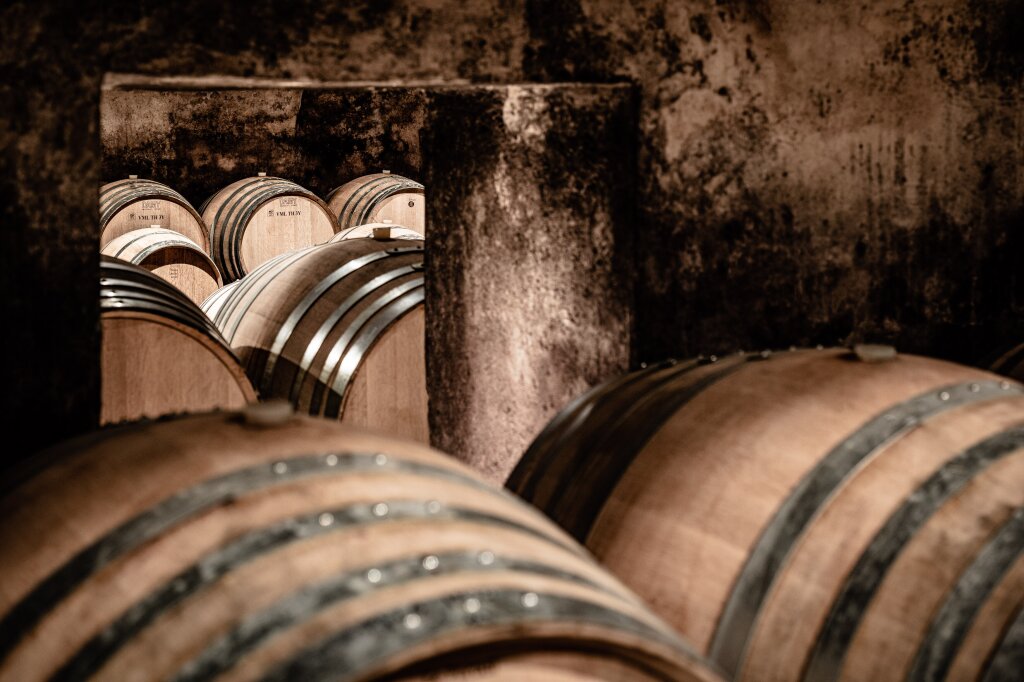
Our history
From its beginnings in 1907 to the present day, discover the most important milestones in the history of St. Michael-Eppan Winery.
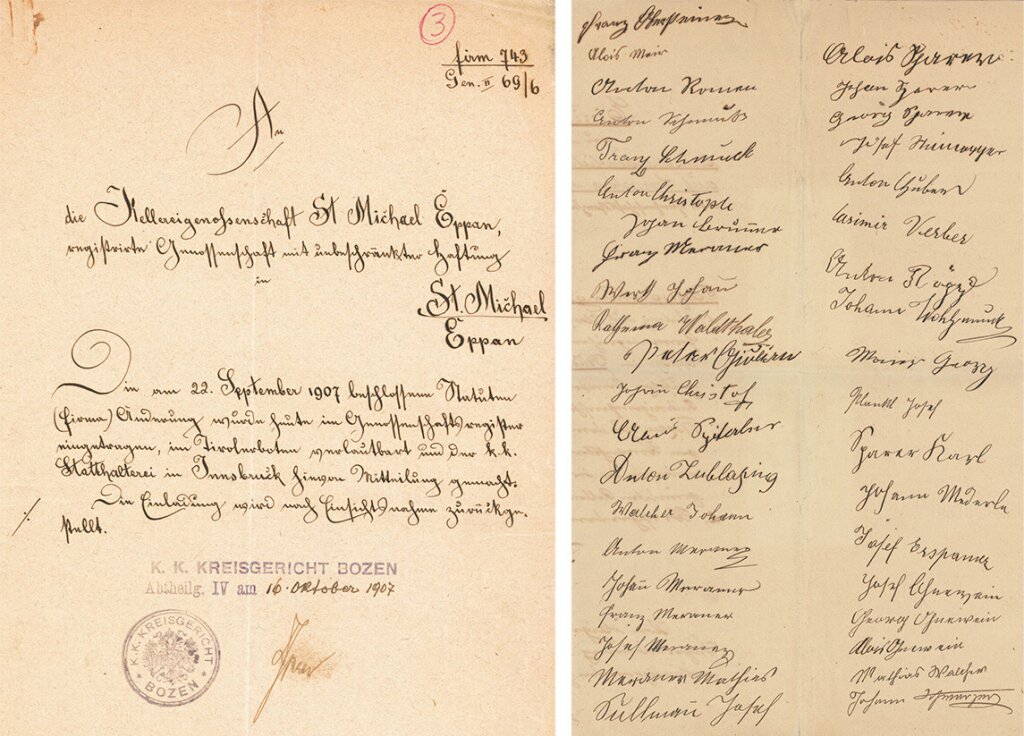
It all began with an economic crisis in South Tyrolean winemaking. To overcome it, 41 winegrowing families in Eppan joined forces. This alliance laid the foundation for a shared journey built on common human and professional values – from collaboration in the vineyards to the construction of a large communal winery. These principles remain at the very heart of St. Michael-Eppan today.
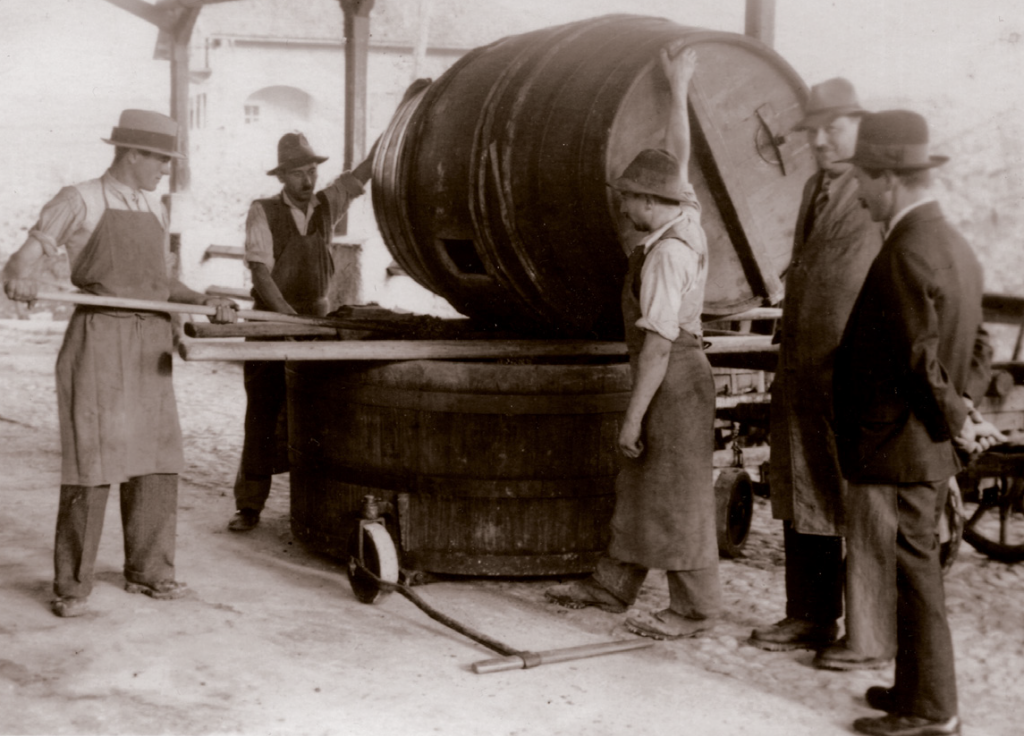
In the first two decades after the war, St. Michael-Eppan Winery primarily exported large quantities of Vernatsch to Switzerland and Austria; in the 1950s, more than half of all exports went to Germany. Vernatsch became a symbol of mass production, with yields of 130 quintals per hectare becoming the norm. At the time, Vernatsch accounted for more than 70 percent of the Winery’s total production.
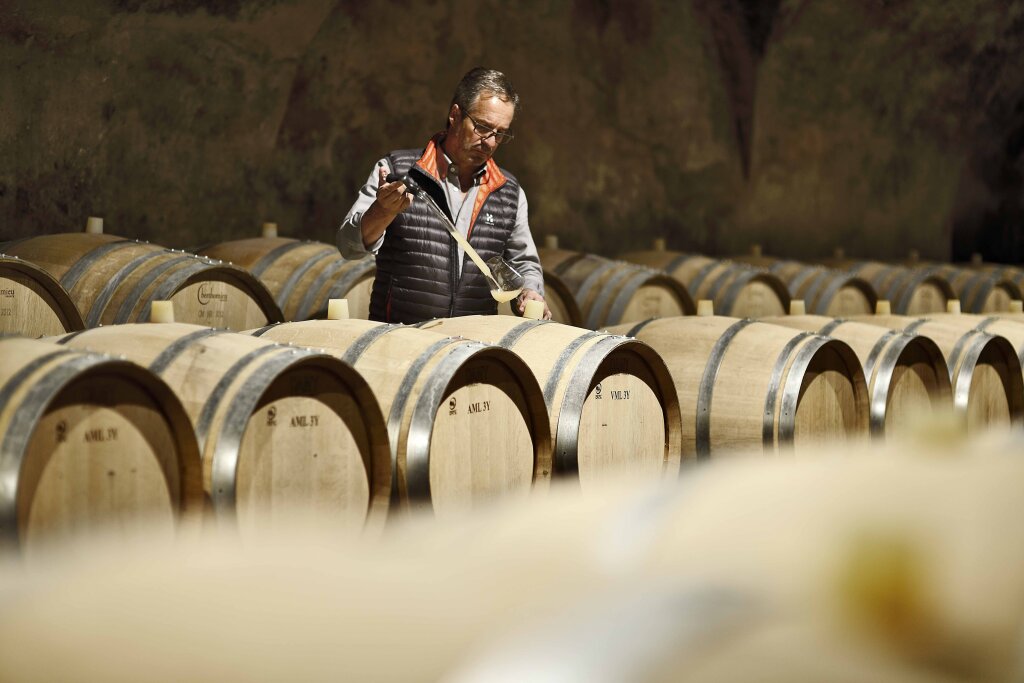
In 1976, Andreas Weis, a wine expert and lecturer at Laimburg, became the Winery’s new chairman. For the position of cellar master, he recommended one of his own students: Hans Terzer, who was just 22 years old at the time.
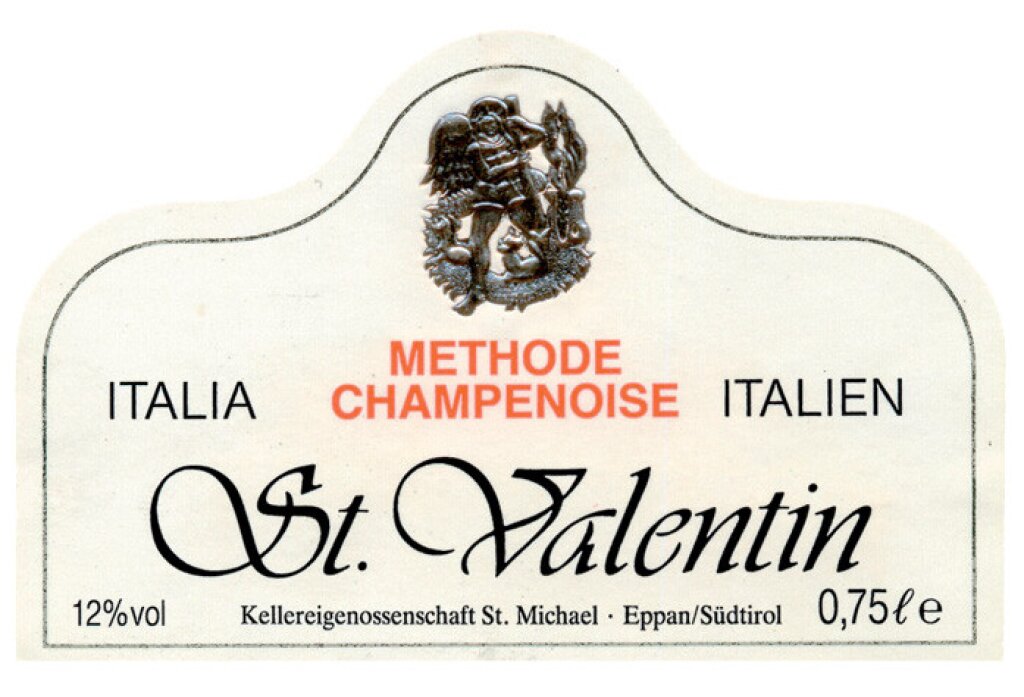
For decades, St. Michael-Eppan Winery sold large quantities of white wine to sparkling wine producers in northern Italy. In the early 1980s, the new winemaker convinced the cooperative to begin producing its own sparkling wine. After nearly 20 years, however, production was discontinued in 2000.
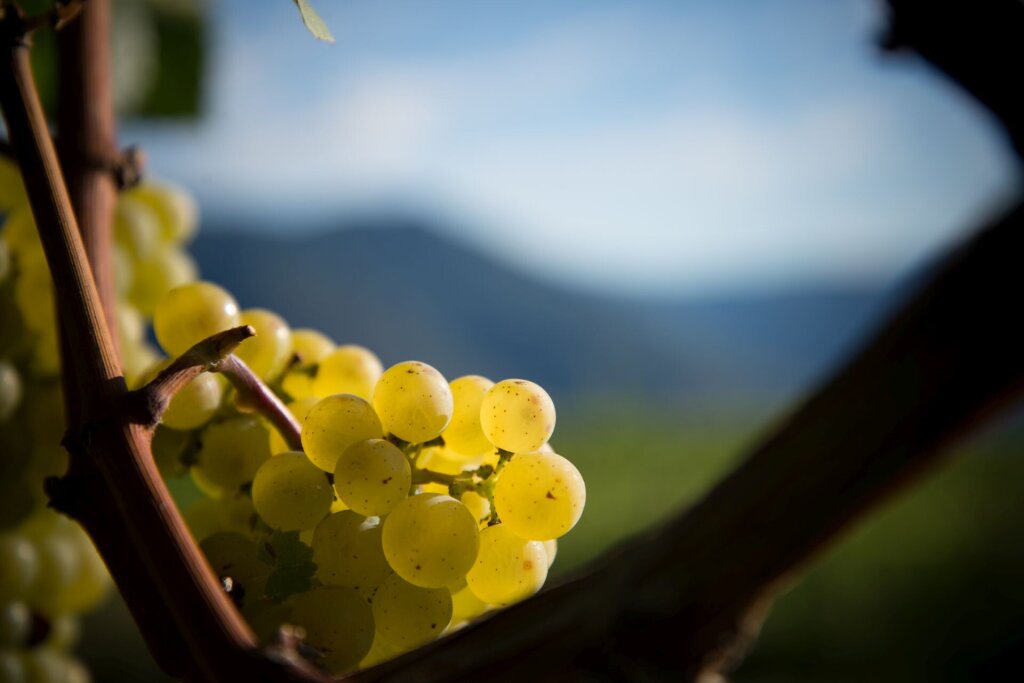
The new president, Richard Stampfer, gives the 25-year-old winemaker Hans Terzer considerable freedom. This allows him to restructure the Winery according to his vision. Terzer’s experimental approach brings significant changes: for the first time in South Tyrol, he vinifies “Gelber Burgunder” (Chardonnay), which for many years had been blended with Pinot Bianco, separately. When Chardonnay becomes an internationally sought-after wine in the mid-1980s, St. Michael-Eppan is ready with substantial quantities.
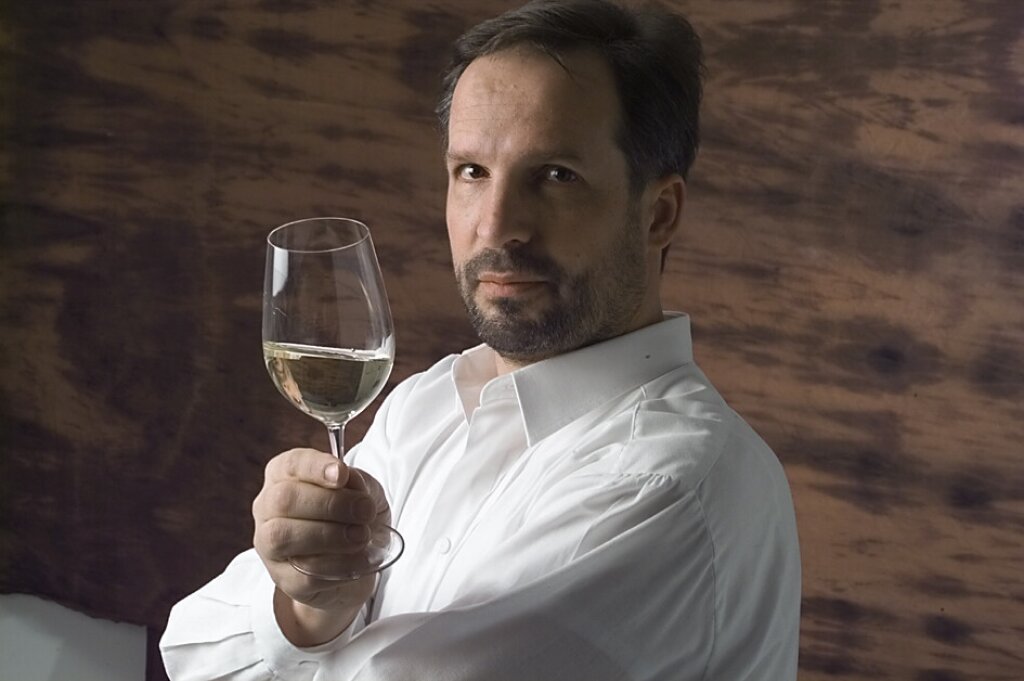
The members place increasing trust in the young winemaker. During the 1985 harvest, deductions are introduced for the first time when DOC yield limits are exceeded – a first step away from a volume-oriented approach. He calls for new varieties, reduced yields and, above all, uncompromising quality. He also convinces several growers to replace Vernatsch with white grape varieties at higher altitudes.
Hans Terzer developed a vision that still forms the foundation of the cooperative’s success today: together with the owners of the Ansitz St. Valentin estate, he set out to create premium wines of exceptional quality. The first Pinot Grigio (Ruländer), Gewürztraminer and Chardonnay from the 1986 vintage were bottled under the “Sanct Valentin” label. The range immediately received numerous awards and sold out within just a few weeks. In 1989, Sauvignon joined the range. Just four years later, it was awarded the coveted “Tre Bicchieri” (Three Glasses), the highest recognition from the renowned Italian wine guide Gambero Rosso.
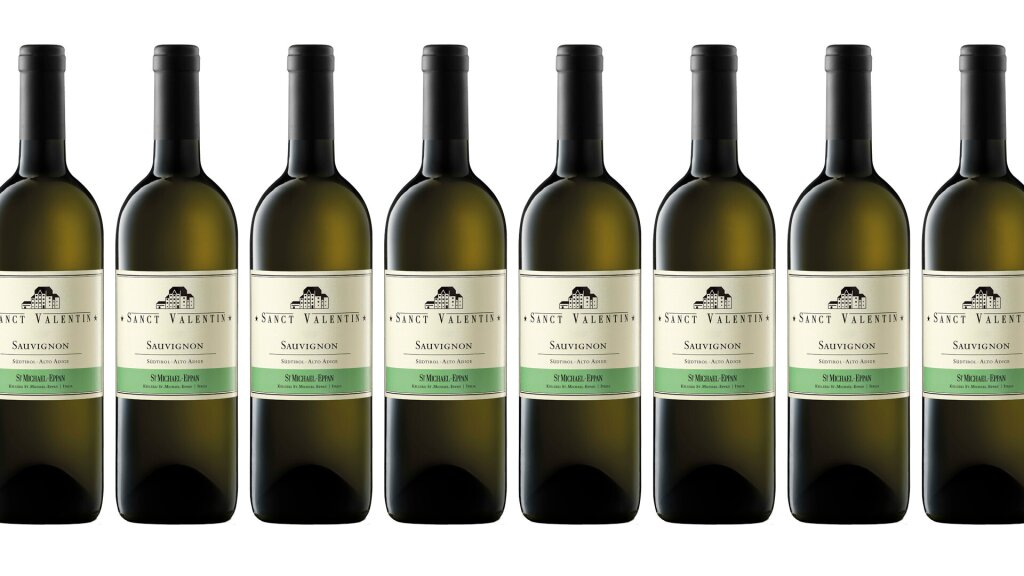
Sauvignon Sanct Valentin is one of St. Michael-Eppan Winery’s greatest success stories. It has been awarded the prestigious “Tre Bicchieri” (Three Glasses) eighteen times – the highest recognition awarded by the Italian wine guide Gambero Rosso.
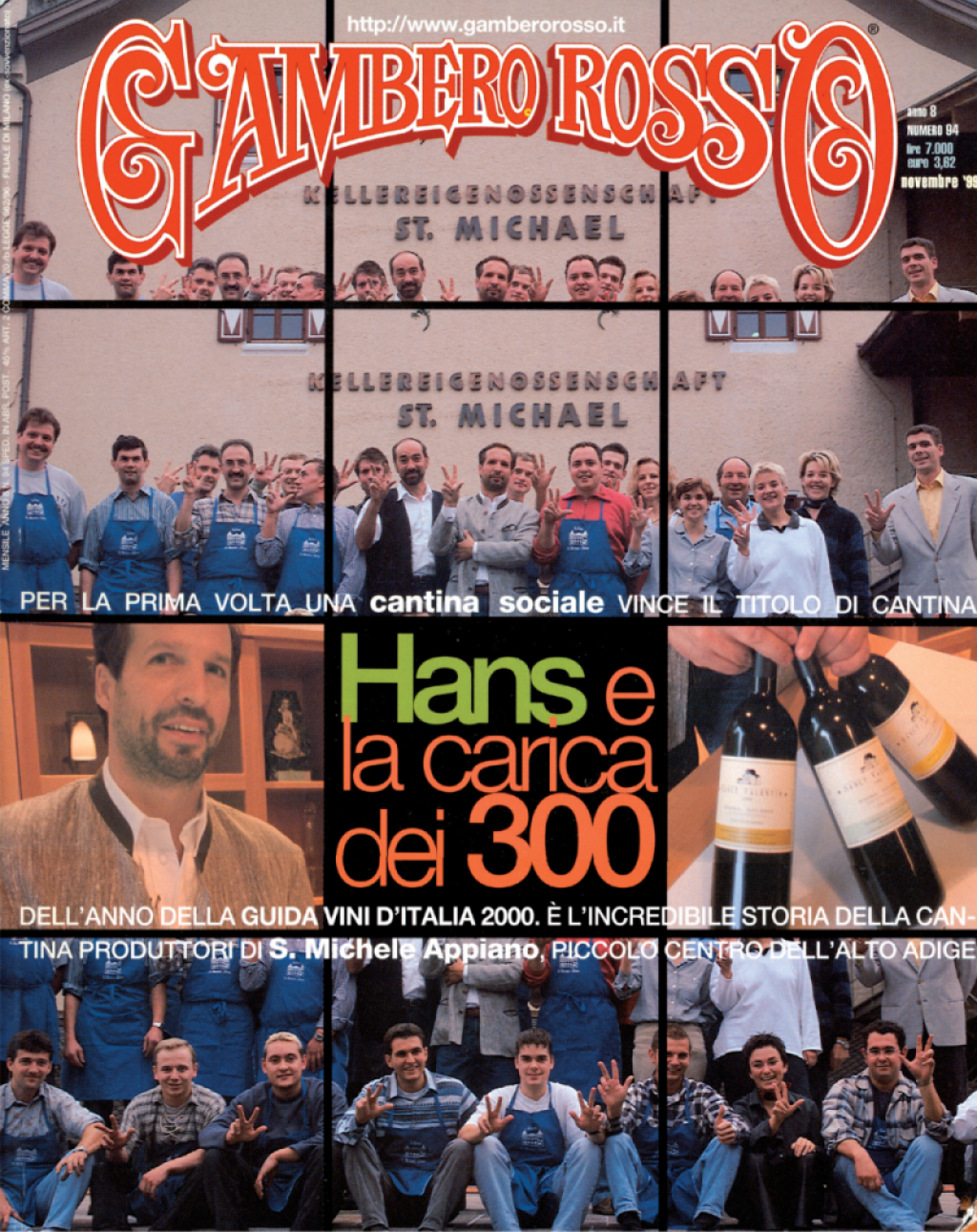
In 1997, Gambero Rosso named the world’s ten most promising winemakers for the new millennium. Among them was one outstanding name: Hans Terzer, “il perfezionista”. Three years later, in 2000, Gambero Rosso named St. Michael-Eppan Winery “Winery of the Year”. No other cooperative winery had ever received this distinction from Italy’s most prestigious wine guide.
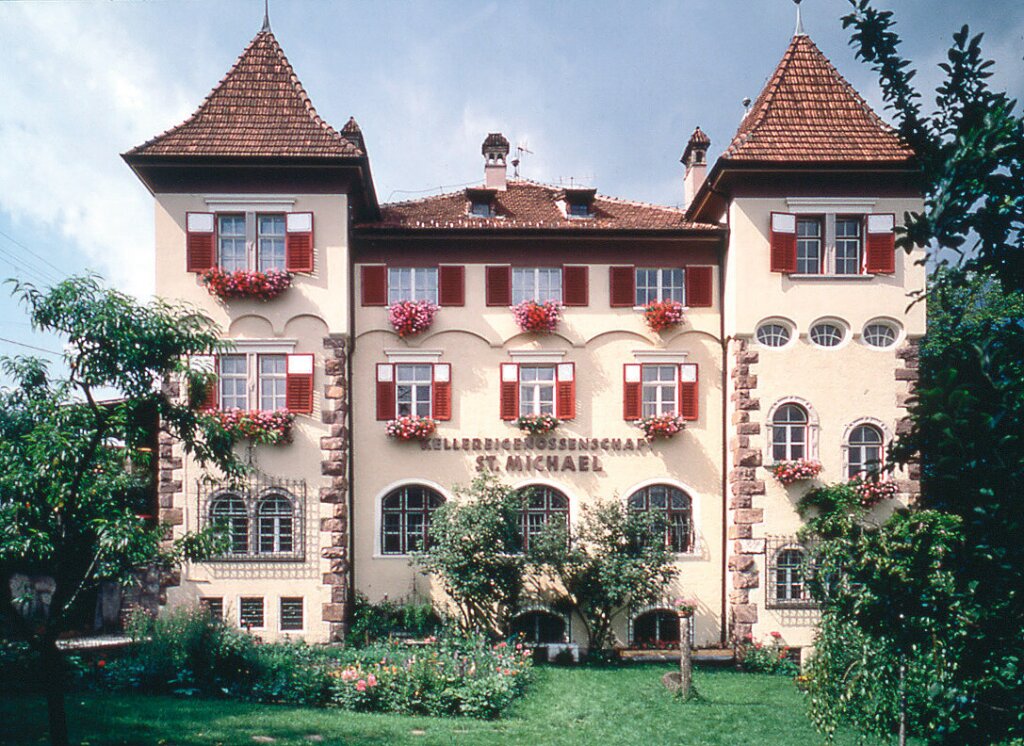
To mark its 100th anniversary, the Winery celebrates this important milestone with a series of special events: an anniversary celebration with key international clients, an event for leading Italian customers and sales agents, and a grand celebration for members attended by 700 guests.
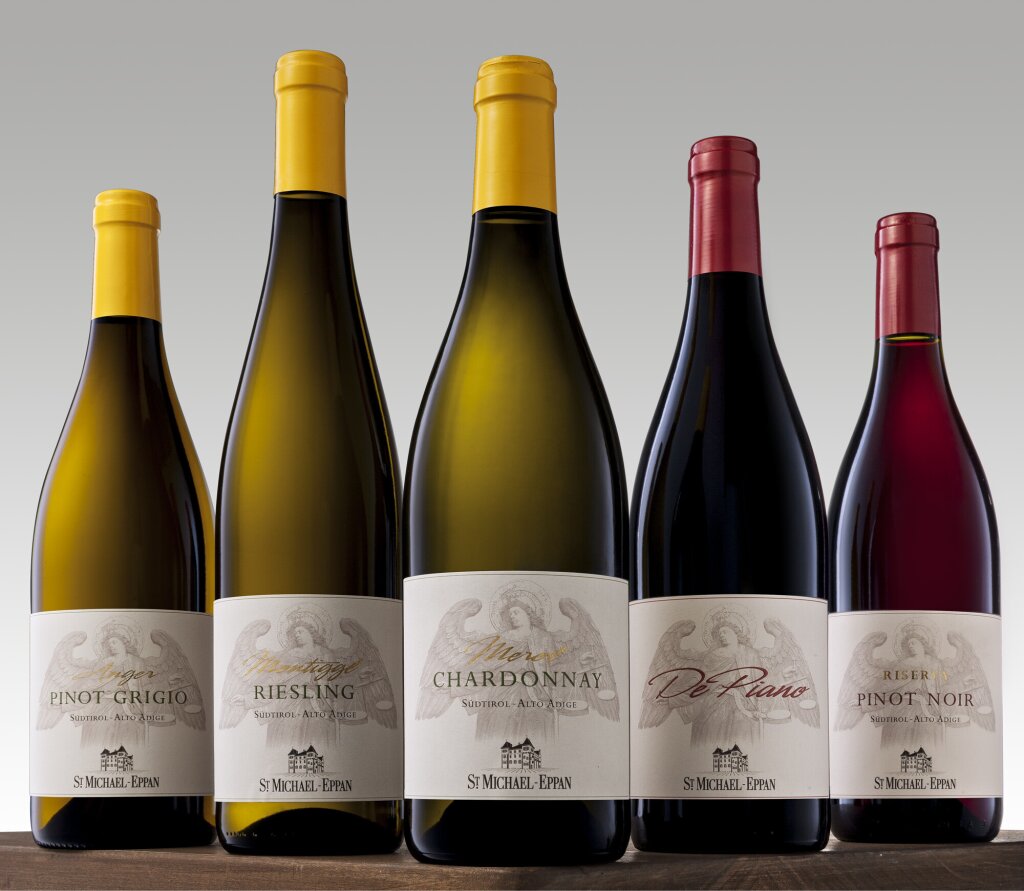
The new Classic Line focuses on craftsmanship and vineyard work. The colours are authentic and inspired by tradition. In the new Selection Line, the Archangel “St. Michael” appears subtly in the background, symbolising the meticulous work in the vineyard and the maturation of the wines in the cellar.
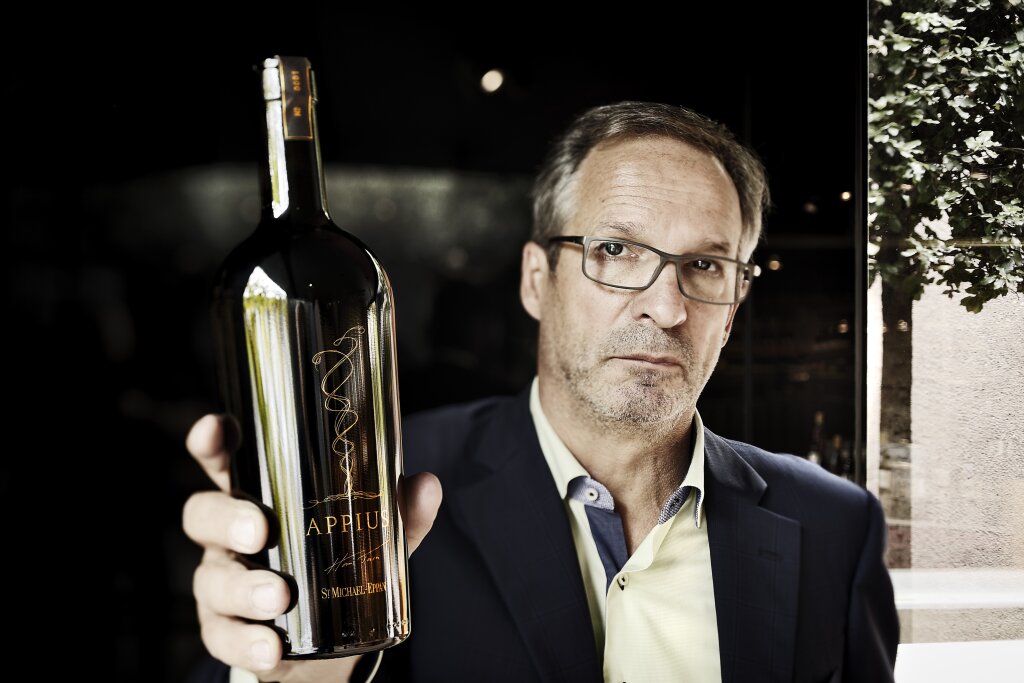
As one of the key players in South Tyrol’s winemaking evolution, St. Michael-Eppan Winery decided in 2014 to turn a long-held dream into reality: to create an outstanding white wine – the very best possible. The 2010 vintage marked the birth of APPIUS, a wine designed to bring together the full potential of the terroir and the wealth of knowledge and experience of winemaker Hans Terzer.
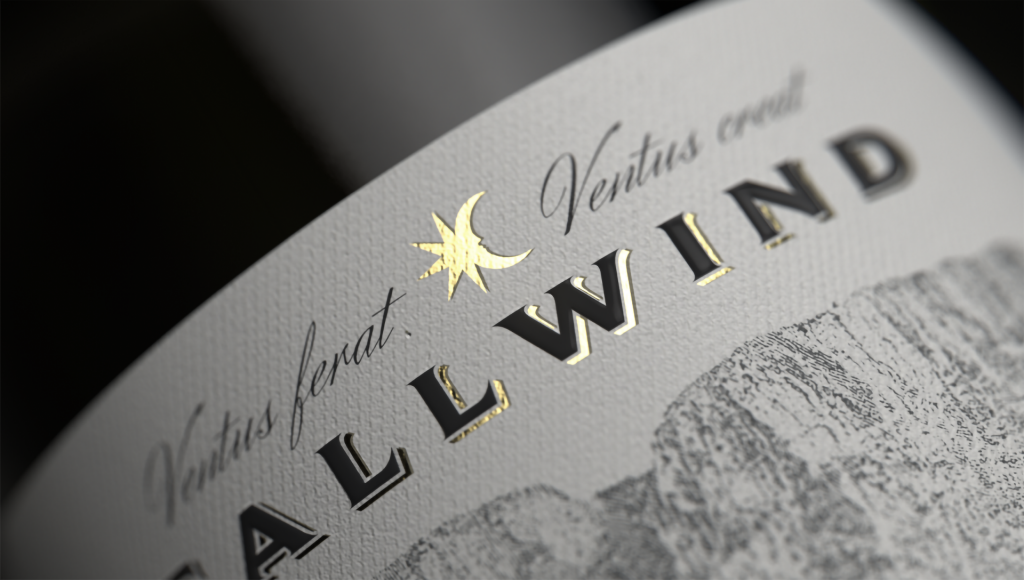
A new concept was developed for the wines previously grouped under the “Selection” range. The new design was presented to customers and the press at Vinitaly 2022. Since then, these wines have been united under the name “Fallwind”. The new visual identity carries strong symbolism and reflects a deep connection to the region and its traditions.
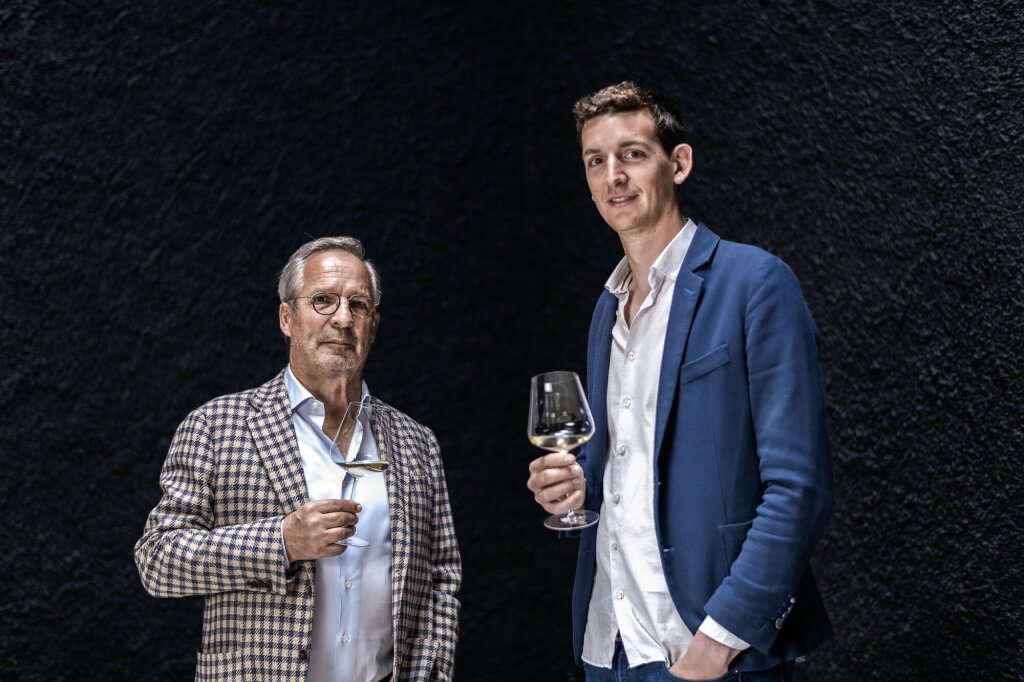
After 50 vintages, Hans Terzer passes the torch to Jakob Gasser. At the age of 31, the highly accomplished winemaker takes over as head winemaker, bringing fresh perspectives to an established success story. With clarity, expertise and high standards, he continues along the path already set, further developing and refining the uncompromising quality that has long been a hallmark of the Winery and its wines.
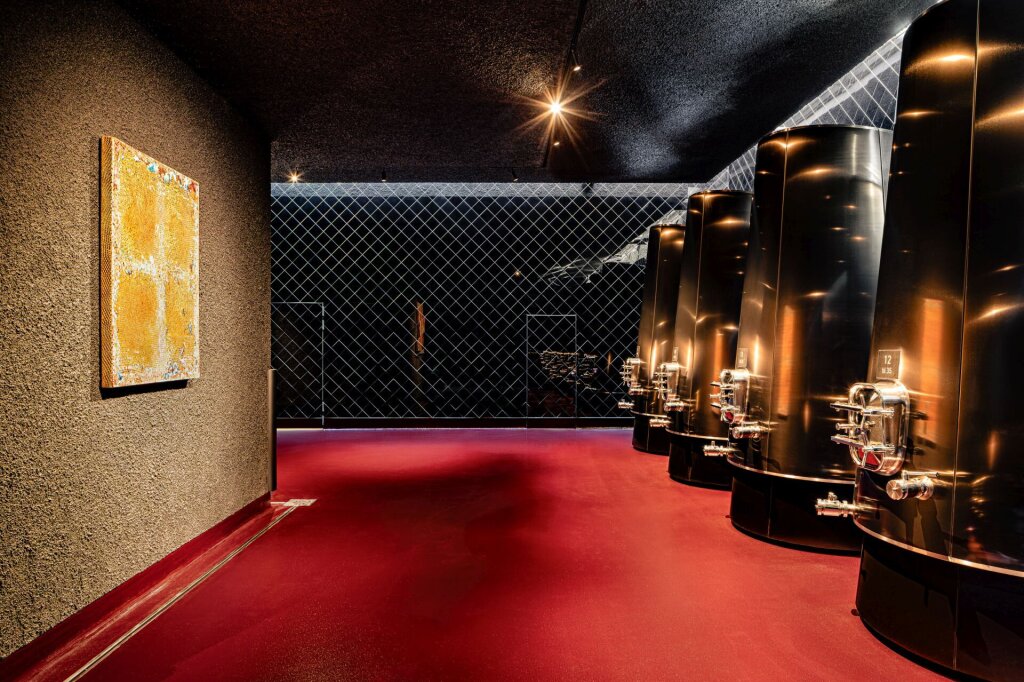
Planned and built between 2023 and 2024, the APPIUS cellar is characterized by an impressive, almost sacred atmosphere. The tiled walls echo the style of the historic cellar and frame the distinctive conical stainless steel tanks with a satin bronze finish. At the heart of the cellar, an oak tasting room welcomes guests for exclusive tastings, offering a journey through time across the different APPIUS vintages.